The Meaning Behind the Pan-African Colors in African Flags
Introduction
If you look closely at a map of the flags of African nations, a distinct, powerful, and beautiful visual pattern quickly emerges. Across the vast continent, dozens of countries proudly fly national flags featuring the exact same striking color combinations.
From Senegal in the west to Ethiopia in the east, and from Ghana down to South Africa, the colors red, yellow (often depicted as gold), green, and black dominate the vexillological landscape. These are known globally as the Pan-African colors.
Unlike many European flags where colors were chosen based on ancient royal coats of arms or medieval heraldry, the Pan-African colors are far more than just a vibrant aesthetic choice. They are deeply and intentionally rooted in the shared history of African liberation, the fierce fight for anti-colonial sovereignty, and the unbreakable spirit of the global African diaspora.
Whether you are trying to tell the difference between the flags of Mali and Guinea in World Guesser, or you are simply fascinated by global history, understanding these colors is essential. Let us uncover the profound, inspiring meaning behind the colors that united a continent.
The Two Primary Color Palettes
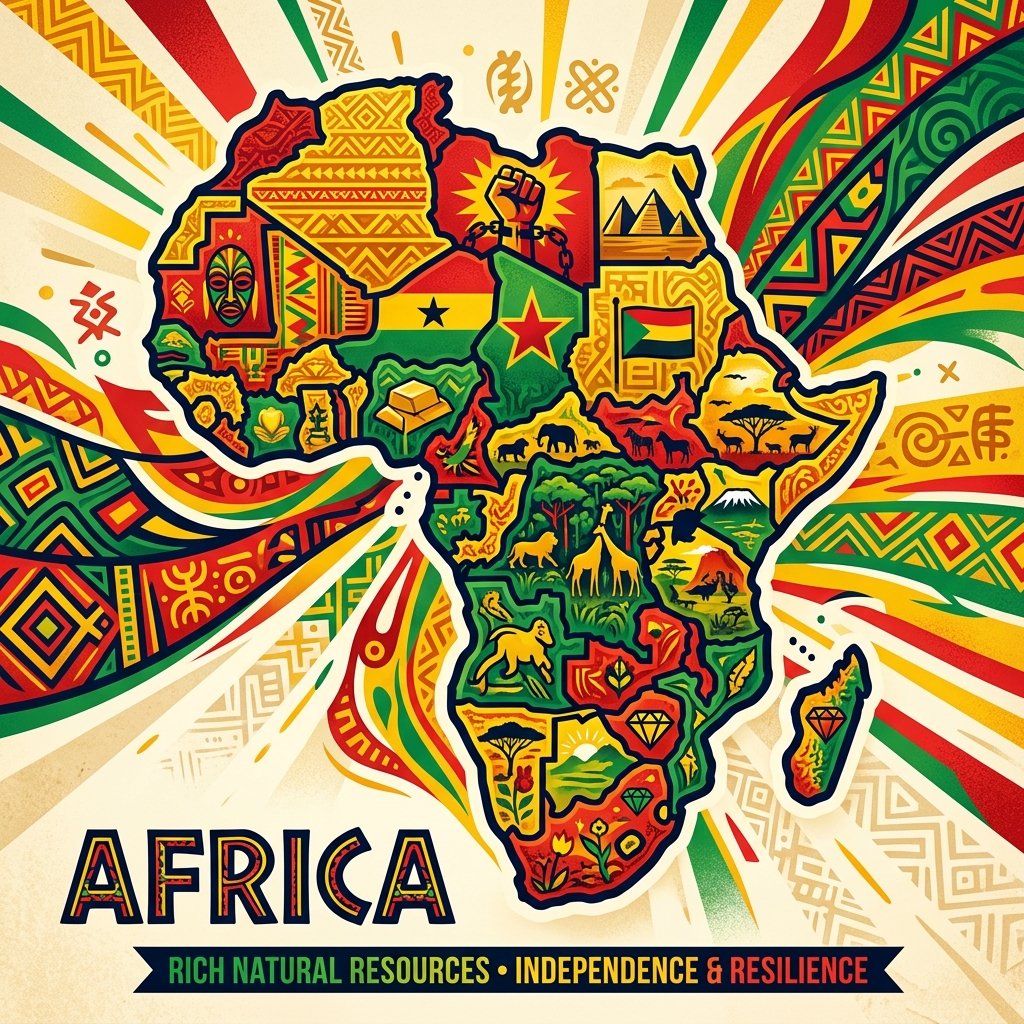
When historians and vexillologists talk about the "Pan-African colors," they are actually referring to two distinct, yet heavily overlapping and complementary, color sets. Both sets serve to symbolize African unity, independence, and pride, but they have slightly different historical origins.
The first set consists of Red, Gold (Yellow), and Green. This combination is inspired directly by the historic flag of the Ethiopian Empire. It is the dominant palette seen on the African continent itself.
The second set consists of Red, Black, and Green. This combination was created in the United States in the 1920s by Marcus Garvey as a unifying symbol for the global African diaspora (people of African descent living outside of the continent).
As modern African nations began gaining their hard-fought independence from European colonial powers in the mid-to-late 20th century, they deliberately adopted variations of one or both of these palettes to signal their sovereignty and their solidarity with the broader Pan-African movement.
The Ethiopian Influence and the Battle of Adwa
To truly understand the widespread use of the Red, Gold, and Green palette, we must look to the Horn of Africa: Ethiopia. During the late 19th century, a period known as the "Scramble for Africa," European imperial powers ruthlessly invaded and colonized almost the entire African continent.
However, Ethiopia (then known as Abyssinia) stood strong. Under the leadership of Emperor Menelik II, the Ethiopian army decisively defeated the invading Italian forces at the historic Battle of Adwa in 1896. This monumental victory ensured that Ethiopia maintained its sovereignty. It was the only African nation to successfully resist European colonization during this era.
Because Ethiopia remained free and independent, it became a glowing beacon of hope, resistance, and pride for oppressed Africans everywhere. Consequently, the national flag of Ethiopia—featuring horizontal stripes of green, yellow, and red—was elevated from a simple national banner to a holy symbol of Black freedom and anti-colonial defiance.
Ghana Sparks the Domino Effect (1957)
The Ethiopian colors did not begin spreading to other national flags until the mid-20th century, during the massive wave of African decolonization. The spark was lit by Ghana in 1957.
When Ghana became the first sub-Saharan African nation to gain independence from colonial rule, its first Prime Minister, Kwame Nkrumah, was a staunch advocate for Pan-Africanism. He believed that the liberation of Ghana was meaningless unless it was linked to the total liberation of the entire African continent.
To reflect this ideology, Ghana designed a new national flag utilizing the exact same red, yellow, and green colors of Ethiopia, adding a five-pointed black star in the center to represent African emancipation. This intentional design choice sparked a domino effect. As other nations gained independence in the following years—including Senegal, Mali, Guinea, Cameroon, and Rwanda—they almost all adopted variations of the red, gold, and green to visually declare their membership in a newly free, united Africa.
Marcus Garvey and the UNIA Flag (Red, Black, Green)
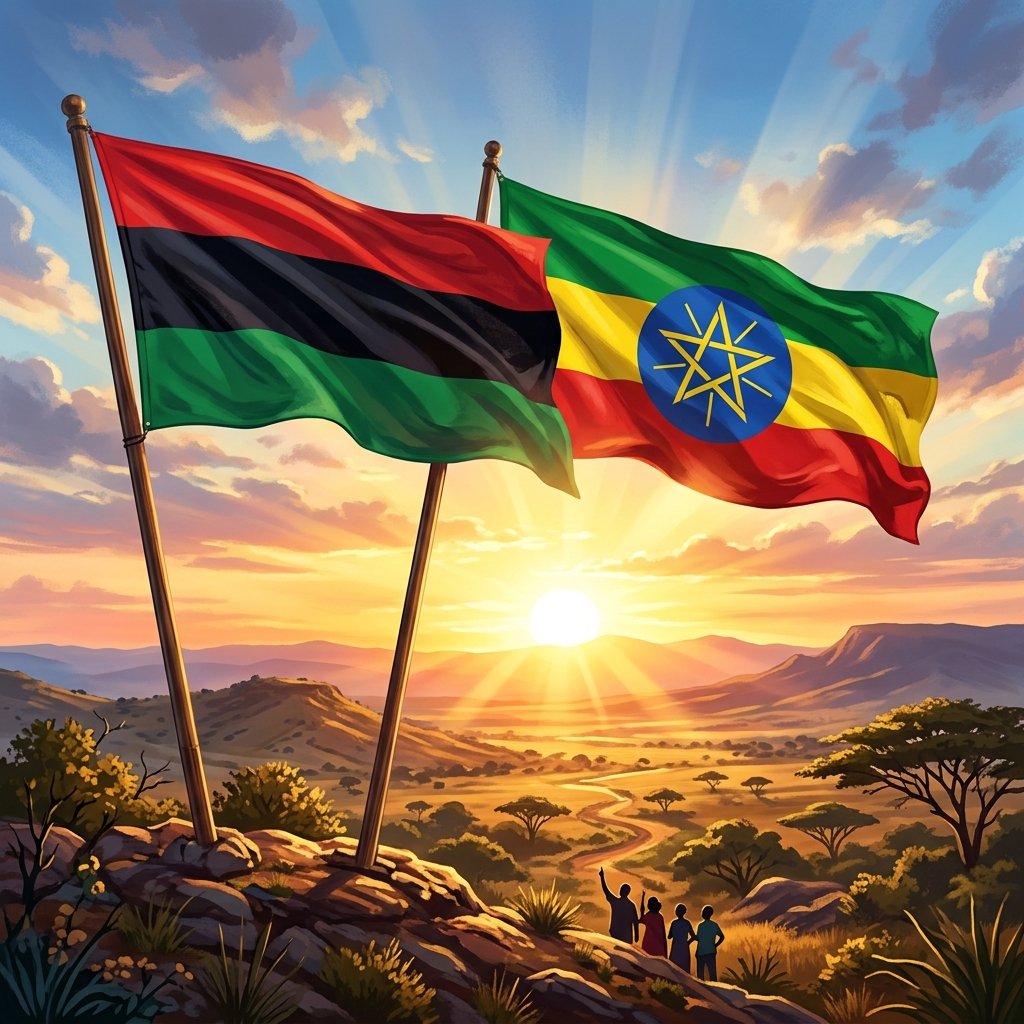
While the Ethiopian colors took hold on the continent, a different but related movement was happening in the Americas. The Red, Black, and Green flag was officially adopted on August 13, 1920, during the convention of the Universal Negro Improvement Association (UNIA) in New York City, led by the influential Jamaican activist Marcus Garvey.
Garvey designed this flag in direct response to the intense racial bigotry of the era, famously asserting that a race without a flag is a race without pride. He sought to create a unifying emblem for the global African diaspora—the millions of people of African descent living in the Americas, Europe, and the Caribbean as a result of the transatlantic slave trade.
This bold tricolor flag gave a marginalized people a powerful visual representation of their shared heritage, political agency, and demand for civil rights. Decades later, this flag would become a prominent symbol during the American Civil Rights Movement of the 1960s, and its colors were adopted for the African-American holiday of Kwanzaa.
Decoding the Meaning of the Colors
While the specific, legally codified meanings can vary slightly depending on the country, the Pan-African colors generally share a universal set of deeply poignant meanings across the continent and the diaspora:
Red
Universally represents the blood that unites all people of Black African ancestry. More specifically, it stands as a solemn tribute to the immense sacrifices, the suffering, and the literal blood shed by martyrs during the brutal eras of slavery, colonialism, and the long, violent struggle for national liberation and independence.
Gold / Yellow
Symbolizes the abundant mineral wealth of the African continent (such as gold, diamonds, and other natural resources that were historically exploited by empires). It also represents the bright, life-giving African sun, and the unwavering optimism for a prosperous, wealthy, and peaceful future for all African nations.
Green
Represents the rich, fertile land of Africa. It honors the continent's lush vegetation, its vast agricultural potential, and the immense natural beauty of the environment. It serves as a reminder of the physical land that was fought for and reclaimed.
Black
Serves as a powerful, unapologetic affirmation of the people themselves. It represents the Black race, proudly asserting their identity, strength, resilience, and humanity on the global stage after centuries of systemic dehumanization.
The Intersection of Both Traditions
As history progressed, many modern African nations chose to integrate elements from both the Ethiopian tradition (gold) and the Garvey tradition (black) into a single flag to comprehensively represent their identity. The flags of South Africa, Kenya, Mozambique, and Zimbabwe all masterfully utilize red, yellow, green, and black. By combining these colors, these nations pay homage to the physical wealth of their land while simultaneously honoring the specific racial struggles and triumphs of their people.
More Than Just Colors on a Map
The Pan-African colors are an enduring visual language of solidarity. Every time you see a flag bearing red, gold, green, or black, you are not just looking at a piece of cloth; you are looking at a powerful statement of sovereignty, a monument to the Battle of Adwa, a tribute to Marcus Garvey, and a celebration of shared history. Understanding this profound context makes exploring the world of geography far more meaningful and deeply human.