How to Read Utility Poles and Bollards Like a GeoGuessr Pro
Introduction
Have you ever been dropped onto a random stretch of highway with absolutely no road signs in sight? The landscape looks generic. The road is completely empty. You have no idea if you are driving through the rural plains of Hungary, a quiet farm road in France, or somewhere deep in South America. For beginners, this is the most frustrating situation in any location guessing game. You end up making a wild, random guess, and your score completely tanks.
But what if the empty road was actually screaming its location at you? What if the tiny pieces of infrastructure lining the highway held the exact secret to your coordinates? The truth is, professional players do not need road signs to win. They rely heavily on the hidden "meta" clues found in everyday roadside infrastructure.
In this guide, we are going to teach you how to read utility poles and delineator bollards like a true professional. By learning the subtle differences in concrete, wood, reflectors, and paint colors, you will unlock a massive advantage in games like World Guesser. Are you ready to stop guessing and start knowing? Let us dive into the ultimate infrastructure meta guide.
What Is the Infrastructure Meta?
In competitive geography games, the term "meta" refers to the game-specific knowledge that players use to win. It involves recognizing patterns that are not obvious to the casual observer. The infrastructure meta specifically focuses on human-built objects that line the roads.
Every country in the world builds its infrastructure differently. Local manufacturing laws, weather conditions, and historical engineering choices dictate what these objects look like. Because Google Street View captures these objects consistently, they become highly reliable clues.
The two most important pieces of roadside infrastructure are utility poles (the tall posts holding electrical or telephone wires) and bollards (the short plastic or metal posts lining the side of the highway to guide drivers). Mastering these two items will instantly elevate you from a beginner to an advanced player.
Decoding Utility Poles
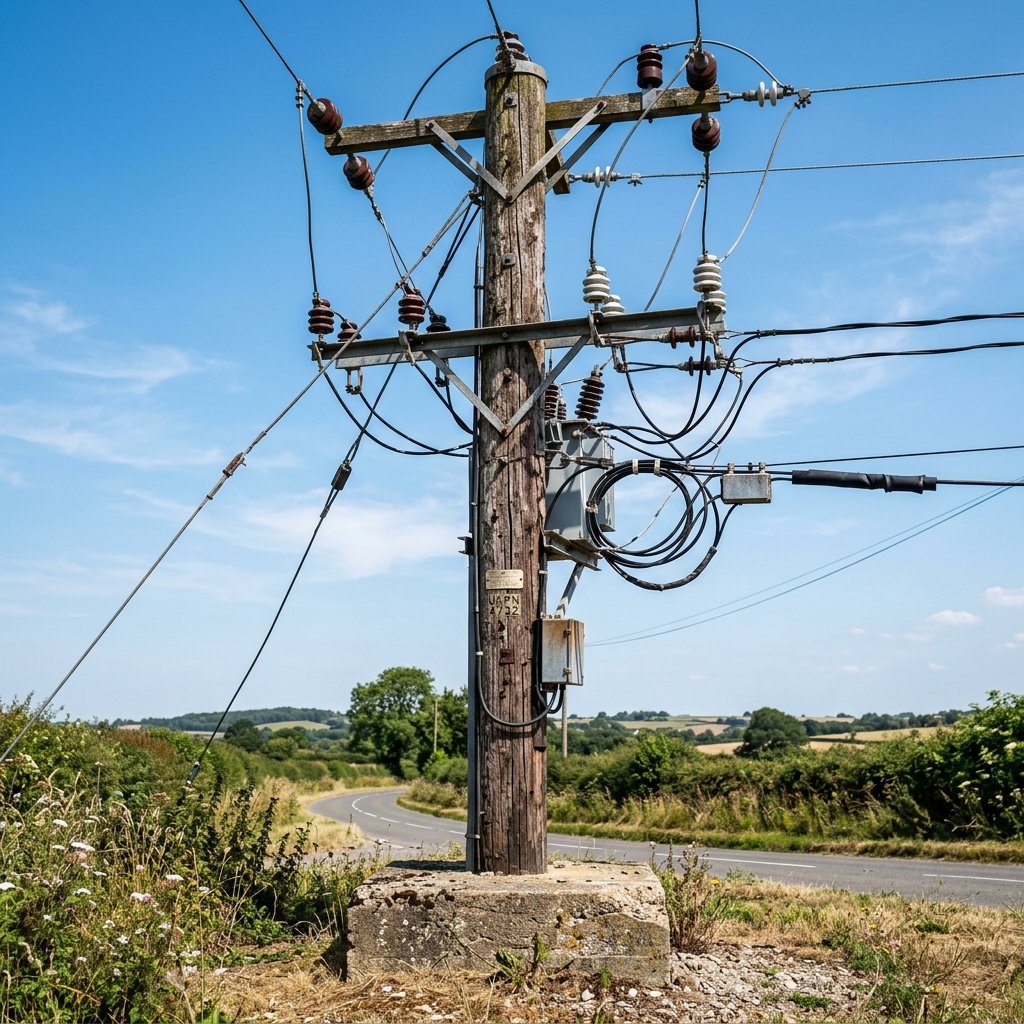
Utility poles are everywhere. They carry electricity, telephone lines, and internet cables to rural and urban areas alike. Because they are so large and common, they are often the very first thing a pro player looks at when they spawn into a new map.
You do not need to be an electrical engineer to read a utility pole. You just need to look at three main features: the material of the pole, the shape of the pole, and what is painted or attached to the bottom. Let us break down some of the most famous utility pole metas in the world.
The French "A-Frame" Concrete Pole
If you are driving through a rural European farm area and you see a utility pole that looks like a hollow concrete ladder or an "A-frame", you are almost certainly in France. Some neighboring countries use similar concrete, but the distinct, clean, A-frame shape is a massive giveaway for the French countryside.
The Romanian "Holey" Pole
This is one of the most famous metas in the game. In Romania, the concrete utility poles are cast with distinct, uniform circular holes running all the way up the center of the pole. If you see a pole that looks like Swiss cheese, you can confidently lock in your guess for Romania.
The Japanese Striped Warning Poles
Japan loves to ensure its infrastructure is highly visible. Japanese utility poles are frequently wrapped with vertical yellow and black warning stripes near the base. Additionally, you will often find small, vertical advertising signs attached directly to the poles in urban areas.
The Brazilian Painted Bases
South America can be incredibly difficult to distinguish based on landscape alone. However, Brazil has a very specific habit. They frequently paint the bottom few feet of their wooden or concrete utility poles with thick, solid white paint. This makes them stand out heavily against the red dirt roads.
Mastering the Bollard Meta
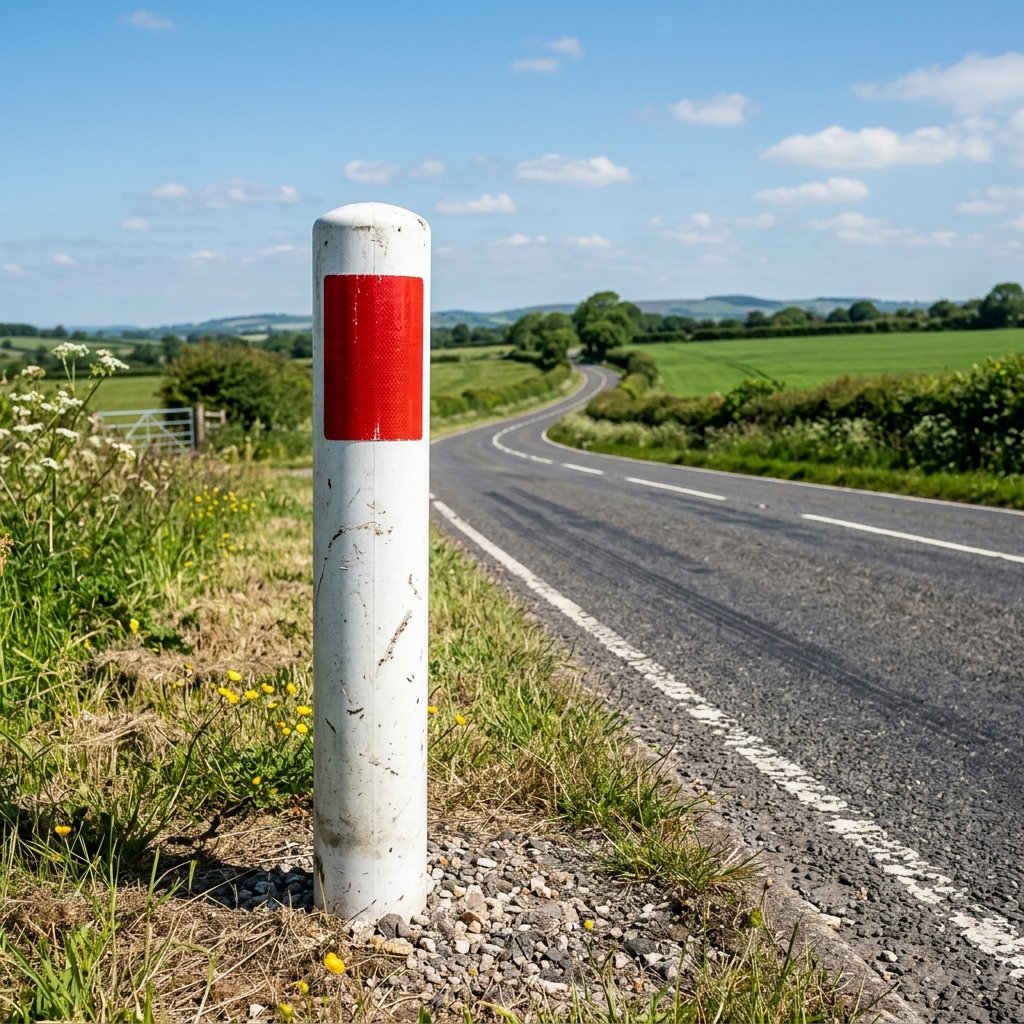
Bollards (also known as delineators) are the small, reflective posts that sit on the shoulder of the highway. Their real-world purpose is to help drivers see the edge of the road at night or during heavy snow. For a geography gamer, they are essentially tiny flags telling you exactly which country you are in.
Because European countries are small, densely packed, and have very similar climates, separating them by landscape alone is notoriously difficult. Bollards are the key to unlocking Europe. You must pay attention to the shape of the plastic post, the color of the reflector, and the shape of the reflector itself.
Austria vs. Germany
Both countries use white posts with black caps. However, German bollards have two small, circular white reflectors on the back. Austrian bollards have a single, tall rectangular white reflector on the back. This tiny difference wins games.
The Unique New Zealand Band
Australia and New Zealand look identical to beginners. But New Zealand uses a very specific bollard: a thin white plastic post with a red reflective band wrapping entirely around the middle. Australia almost exclusively uses red rectangular reflectors attached to the back of a flat white post.
The Round Danish Bollard
Denmark is entirely flat, making it hard to distinguish from the Netherlands or Northern Germany. But Denmark uses a very distinct bollard. It is a completely cylindrical white tube featuring a large, slanted yellow reflector. It stands out significantly from the flat rectangular posts of its neighbors.
Using Infrastructure to Guess the Year
The infrastructure meta is not just useful for finding out where you are. It is also incredibly useful for figuring out when a photo was taken. Infrastructure evolves rapidly. If you are playing historical geography challenges, such as the ones found in Time Guesser, you must pay attention to technological progression.
For example, if you see a wooden utility pole wrapped in thick, uninsulated copper wire held up by large glass insulators, you are likely looking at a photograph taken before the 1970s. Modern utility lines are heavily insulated and tightly bundled.
Similarly, modern plastic delineator bollards did not become widely standardized in Europe until the late 1980s and 1990s. If you are looking at an old photograph and the side of the road is marked by heavy stone blocks or painted wooden pegs instead of plastic reflectors, you know the image is historically older. Infrastructure is a massive clue for chronological guessing.
Frequently Asked Questions
Is learning the meta considered cheating?
Absolutely not! In fact, learning the meta is what separates casual players from competitive professionals. Relying purely on natural landscapes is impossible, as many countries share identical biomes. Identifying human infrastructure is the core puzzle of the game.
How do I memorize all these different bollards?
Do not try to memorize everything at once. Start by learning the biggest differences in regions that look identical. First, learn the difference between Australia and New Zealand. Then, learn how to tell Germany, Austria, and Switzerland apart. Take it one region at a time.
Does Google ever blur out utility poles or bollards?
No. Google's privacy algorithm is specifically designed to blur faces and license plates. Stationary infrastructure like utility poles, concrete posts, and road delineators are never blurred intentionally. This is exactly why they are the most reliable clues in the entire game.
A Note from Our Geographic Experts
Our editorial team has spent thousands of hours analyzing global infrastructure and competing in high-level geographic tournaments. We guarantee that studying the seemingly boring details of utility poles and roadside plastic will drastically improve your win rate. It forces you to look at the world through the lens of an investigator, rather than just a tourist.